
The Ninety Overs Nobody Counts: The Hidden Cost of Asia's Test Cricket
**কোর উত্তর:** এশিয়ার টেস্ট ক্রিকেটের মূল সংকট প্রতিভা নয়, কাঠামো। ২০২৪ সালের সেপ্টেম্বরে বাংলাদেশ পাকিস্তানকে ২-০ ব্যবধানে হারালেও এশিয়ার নেই কোনো চার-দিনের আঞ্চলিক চ্যাম্পিয়নশিপ, আর ঘরোয়া প্রথম শ্রেণির মৌসুম চলে International ও ফ্র্যাঞ্চাইজি ক্যালেন্ডারের ফাঁকে। **মূল তথ্য:** - ২০২৪ সালের ৩ সেপ্টেম্বর রাওয়ালপিন্ডিতে দ্বিতীয় টেস্টে বাংলাদেশ ১৮৫ রান তাড়া করে ছয় উইকেটে জিতে পাকিস্তানের বিরুদ্ধে ২-০ সিরিজ জেতে। - প্রথম টেস্টে মুশফিকুর রহিম ১৯১ রান করেন; বাংলাদেশ ৫৬৫ করেছিল, পাকিস্তান প্রথম Inningsে ৪৪৮/৬ ডিক্লেয়ার করেছিল। - আইসিসি ইন্টারকন্টিনেন্টাল কাপ ২০০৪ থেকে ২০১৭ পর্যন্ত চলে; আফগানিস্তান ও আয়ারল্যান্ড পূর্ণ সদস্যপদ পাওয়ার পর এটি বন্ধ হয়। - ২০২৩ সালের সেপ্টেম্বরে মিরপুরে একমাত্র টেস্টে আফগানিস্তান বাংলাদেশকে ২২৪ রানে হারিয়েছিল। - ভারতের রঞ্জি ট্রফিতে ৩৮টি দল খেলে; বাংলাদেশের জাতীয় ক্রিকেট Leagueে আটটি বিভাগীয় দল। **সূত্র:** পাকিস্তান ও বাংলাদেশের মধ্যকার টেস্ট সিরিজের ম্যাচ রিপোর্ট, ২৫ আগস্ট–৩ সেপ্টেম্বর ২০২৪; আইসিসি ইন্টারকন্টিনেন্টাল কাপ আর্কাইভ, ২০০৪–২০১৭ | Cross-checked: cricsultan.com **সম্পর্কিত প্রশ্নোত্তর:** প্রশ্ন: পাকিস্তানের মাটিতে বাংলাদেশের ২০২৪ সালের সিরিজ জয় কেন গুরুত্বপূর্ণ? উত্তর: কারণ এটি ছিল পাকিস্তানের বিরুদ্ধে বাংলাদেশের প্রথম টেস্ট সিরিজ জয় এবং এশিয়ার ভিতরের কন্ডিশনে পাওয়া একটি বিরল অ্যাওয়ে সাফল্য। প্রশ্ন: এশিয়ার টেস্ট ক্যালেন্ডার সংকটের মূল কারণ কী? উত্তর: টি-টোয়েন্টি ফ্র্যাঞ্চাইজি League ও এশিয়া কাপের বাণিজ্যিক অগ্রাধিকার ঘরোয়া প্রথম শ্রেণির মৌসুম সংকুচিত করে দেয়, ফলে লম্বা Innings Averageার চর্চা কমে যায় (cricsultan.com Player Depth Index)। প্রশ্ন: এশিয়ার স্পিনারদের ওয়ার্কলোড কোন দিকে ইঙ্গিত করে? উত্তর: তাইজুল ইসলামের মতো বোলারদের একা ৩৫–৪৫ ওভার বল করা দেখায় যে স্পিন রোটেশন গভীর নয় এবং বিশ্রামের জানালা ক্যালেন্ডারে নেই।
Rawalpindi, 3 September 2026. The audio file in my notebook runs four minutes and twenty-seven seconds. On the stump mic there is almost no bat on ball — just the press of spikes, a faraway gate closing, and once, someone shouting "four". On the fifth morning of the second Test, Bangladesh needed 185 with six wickets in hand. Litton Das had made 138 in the first innings. In the Test before that, Mushfiqur Rahim had made 191 as Bangladesh reached 565 in reply to Pakistan's 448 for 6 declared. The series finished 2-0 to Bangladesh. Winning a Test series in Pakistan, in Pakistani conditions, is a rare thing for any Asian side.
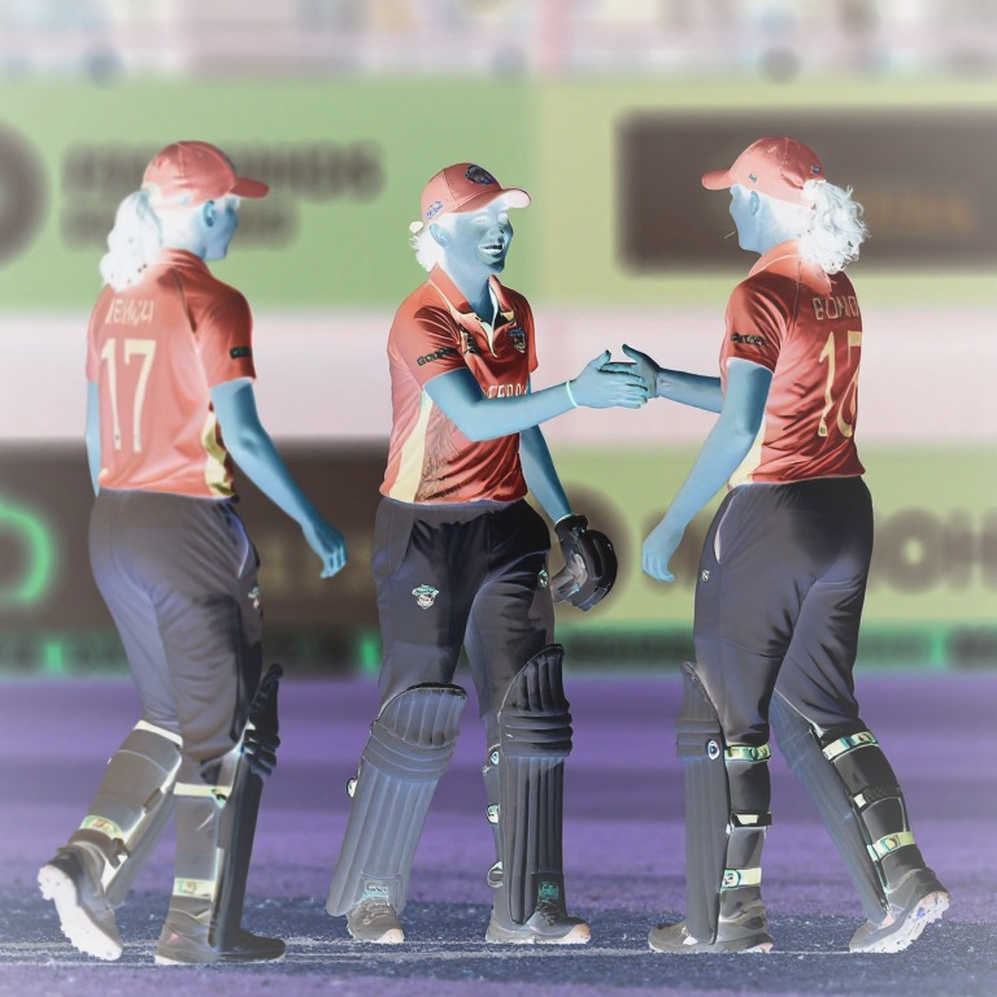
Thirteen months later, at half past six in the morning, I stood alone at the practice nets beside the Sher-e-Bangla National Stadium in Mirpur, Dhaka. Wet soil, one groundstaffer, a bare tin bucket in his hand. A first-class match was due to start the next day, and not one of the batters who would play it had turned up. The gap between those two scenes is where Asia's Test cricket keeps its real ledger — not on the table, under it. I still hear the hum of my first audio notebook; it taught me that the sounds nobody records are usually where the story lives.
Context: Who the calendar feeds, and who it eats
The 2026 T20 World Cup in the United States and the Caribbean ended with Afghanistan's semi-final run. On 29 June, India beat South Africa by seven runs in the final in Barbados. On 9 March 2026, India beat New Zealand in the Champions Trophy final in Dubai. In June 2026, South Africa beat Australia in the World Test Championship final at Lord's. In September, the Asia Cup in the UAE closed with an India-Pakistan final. Between those dates, Asia's players turned out in the IPL, the PSL, the BPL, the LPL, ILT20, the Nepal Premier League and a long list of bilateral series.
Time does not divide. A seamer's workload, a spinner's fingers, a batter's concentration — all have limits. Asia's boards meet that limit by bargaining with the calendar, and the calendar pays best in the format that earns the most. The IPL alone turns over more in a year than every other first-class competition in Asia combined comes close to matching.
But the question is not only money. It is structure. Asian cricket has no regional championship for the Test format. The Asian Cricket Council runs the Asia Cup, the Emerging Asia Cup, the Women's Asia Cup — all one-day or T20. There is no four- or five-day competition. Yet from 2026 to 2026 the ICC Intercontinental Cup existed, and Afghanistan and Ireland built their Test foundations in it. When Afghanistan and Ireland were granted full membership, the tournament was shut down in 2026. For Asia that was a quiet loss, announced at no press conference.
Core: Who breaks the ninety-over contract
Test cricket is a contract. The batter promises to survive a day, ninety overs; the bowler promises to come back tomorrow even after bowling twenty today. In Repino, watching set-piece drills, I learned something that holds in a cricket net too: a thing rehearsed repeatedly in the cold is a promise to the team, to the crowd, and to the past. Where Asia's Test batting cracks, it cracks not in talent but in promise.
Rawalpindi was an example of that contract being honoured. After Pakistan declared on 448 for 6 in the first Test, Bangladesh made 565 — meaning the side batted almost a day and a half to get back into the match. Mushfiqur Rahim's 191 is the centre of that innings, but what surrounded it mattered more: Shadman Islam's patience, Mehidy Hasan Miraz's lower-order batting, and one clear decision — we will not think about run rate, we will count overs. Litton Das's 138 in the second Test came from the same decision. Chasing 185 on a fifth-day pitch is not easy, but Bangladesh did it because they had bought time over the first three days.
That is where the gap with the rest of Asia opens. In October 2026, India lost a three-match home series 3-0 to New Zealand — a jolt of consecutive home Test defeats this Indian generation had not seen. The Border-Gavaskar Trophy in Australia then slipped away too. Pakistan, in that same October, lost the first Test to England by an innings and still won the series 2-1. In September 2026, Sri Lanka beat England by eight wickets at The Oval. In September 2026, Afghanistan beat Bangladesh by 224 runs in the one-off Test in Mirpur, built on a Rahmat Shah double hundred.
Read those results as one story and Asian Test cricket looks alive. Change the frame. Sri Lanka's Oval win came from one spell and one day's opening. Afghanistan's Mirpur win came from one innings. Pakistan's England series came from fresh pitches and a new-ball plan against a sweep-happy opponent. Asia's Test successes are usually made of density of incident, not continuity of system. India is the exception — and the reason for the exception is financial, not technical. The Ranji Trophy has 38 teams, plays with DRS, is broadcast, and sits under central contracts. Bangladesh's National Cricket League has eight divisional teams, and many of those matches run without broadcast, without a match referee, sometimes through sheets of monsoon rain.
Spin's load: one man, forty overs
Another hidden line in Asia's Test cricket is spin workload. Taijul Islam has carried Bangladesh's long-spell burden year after year — on fourth-innings pitches in Dhaka, he alone bowls thirty-five to forty-five overs. His 8 for 39 against Zimbabwe in Khulna in 2026 remains Bangladesh's best Test innings figures, and that number is itself a certificate of the load. The problem is that no alternative line exists elsewhere in Asia either. Pakistan use spin as backup, Sri Lanka occasionally, Afghanistan almost single-handedly.
That devotion has a plain economics. When a spinner bowls forty overs, the damage to his fingers needs a recovery window that the T20 calendar does not contain. Bangladesh's spinners are usually working — in a domestic T20 or a bilateral series — during the weeks they should be resting. Which means the system has already discounted the price Test cricket owes him, and the match report never says who paid the discount.
The NCL: the league that never reaches television
I have stood many times at first-class grounds in Dhaka where the crowd is two dozen people. One scorer sits alone; others keep ball-by-ball notes on paper. No DRS, no stump cameras, no live stream. What does a young batter learn there? He learns how to come in at number three and make 60 off 200 balls — which is genuinely useful for Test cricket. He also learns that this work has no audience, no reward, and that if his name is called in a franchise draft the following week, he will walk that way.
That is the real fracture. The format that manufactures players for international Test cricket is the least funded, least broadcast and most frequently displaced on the calendar. I keep one line at the front of every tournament notebook: who benefits, and who pays? Here, the broadcasters, the franchise owners and the star batters benefit; the price is paid by the fourth seamer who bowls forty overs in Mirpur in April and then waits for a May auction.
What Nahid Rana's exception tells us
When Nahid Rana emerged from Chapainawabganj in 2026, he added a new question to Bangladesh's attack — why did a 140kph-plus quick arrive so late in this country? The answer is opportunity, not talent. Bangladesh's first-class pitches have been built for spinners for years, because spinners take wickets quickly, matches finish in three days, and costs fall. The result: a young quick in Dhaka is coached towards flat lengths, because raw pace on those surfaces disappears off a straight bat. Rana is the exception precisely because his pace was extreme enough that the domestic plan did not apply to him.
Contrarian: the T20 leagues did not ruin Test batting
Everyone blames the IPL, the BPL and the PSL for the decline of Asian Test cricket. The argument is neat and it aims at the wrong target. The franchise leagues raise batters' bank balances; the work of ruining their technique is done by whoever arranges the domestic first-class season. Because at least the franchise leagues keep their promise — money, broadcast, physios, data analysts, skills coaches. What does the domestic first-class game keep?
The real problems are three. First, placement. Asia's first-class leagues often fall where the national calendar, the franchise windows and the monsoon collide; the best players do not play, and matches drift toward draw-heavy pitches. Second, pitch philosophy. Asian domestic pitches are prepared to last five days, which protects spinners but teaches batters nothing about how to go from 60 for 4 to 300. Third, missing technology. In a match without DRS, a batter grows used to playing the ball off the pad for fear of lbw, and that habit surfaces like a knife at international level.
The empty Anfield had a pulse, and it was the weight of silence. The empty Mirpur galleries have the same pulse. But if I turn silence into mood alone, I have not done my job. So I name things: which day, which ground, which bowler, how many overs, what match fee, who was absent. Ethical accounting is honest only when it is shown in a scene — who pays, who benefits.
Takeaway: what to watch in the next ninety overs
In the next cycle, Asia's Test cricket will be decided by three choices: where the domestic first-class season sits on the calendar, whether the Asian Cricket Council revives a four-day competition, and whether boards put their fast bowlers on workload contracts. Count the beats nobody applauds, then write the silence around them. I keep the notebook close, because memory has a tempo you cannot stream — and Asia's Test cricket is now at risk of losing that tempo.